-

A Year in View: David Hockney from the Serpentine to Andipa
As London celebrates David Hockney’s monumental Serpentine exhibition, Andipa Editions marks two decades of championing the artist with a curated presentation of iconic prints. -

-

Why Banksy Remains the Most Influential Street Artist in the World
An Ongoing DisruptionBanksy's influence does not rest solely on notoriety or anonymity, but on his sustained ability to test how art functions once it enters public space. Over more than two decades, his work has operated at the fault lines between protest and spectacle, illegality and institutional recognition, anonymity and global visibility. Rather than offering a coherent manifesto, Banksy's practice unfolds as a series of pointed interventions, each asking how images behave when placed directly into systems of power, commerce and control. -

My Normandy: David Hockney’s Views to the North and East
A Journey Through Hockney’s Northern and Eastern NormandyDavid Hockney’s My Normandy series offers a vivid insight into one of the most important periods of the artist’s recent career. Created in 2019 following Hockney’s move to the French countryside, the series explores the landscape surrounding his Normandy home through bold colour, innovative digital techniques, and an intimate sense of place. Featuring limited-edition inkjet prints, My Normandy has become highly sought after by collectors for its joyful interpretation of rural France and its significance within Hockney’s late-career work.
-

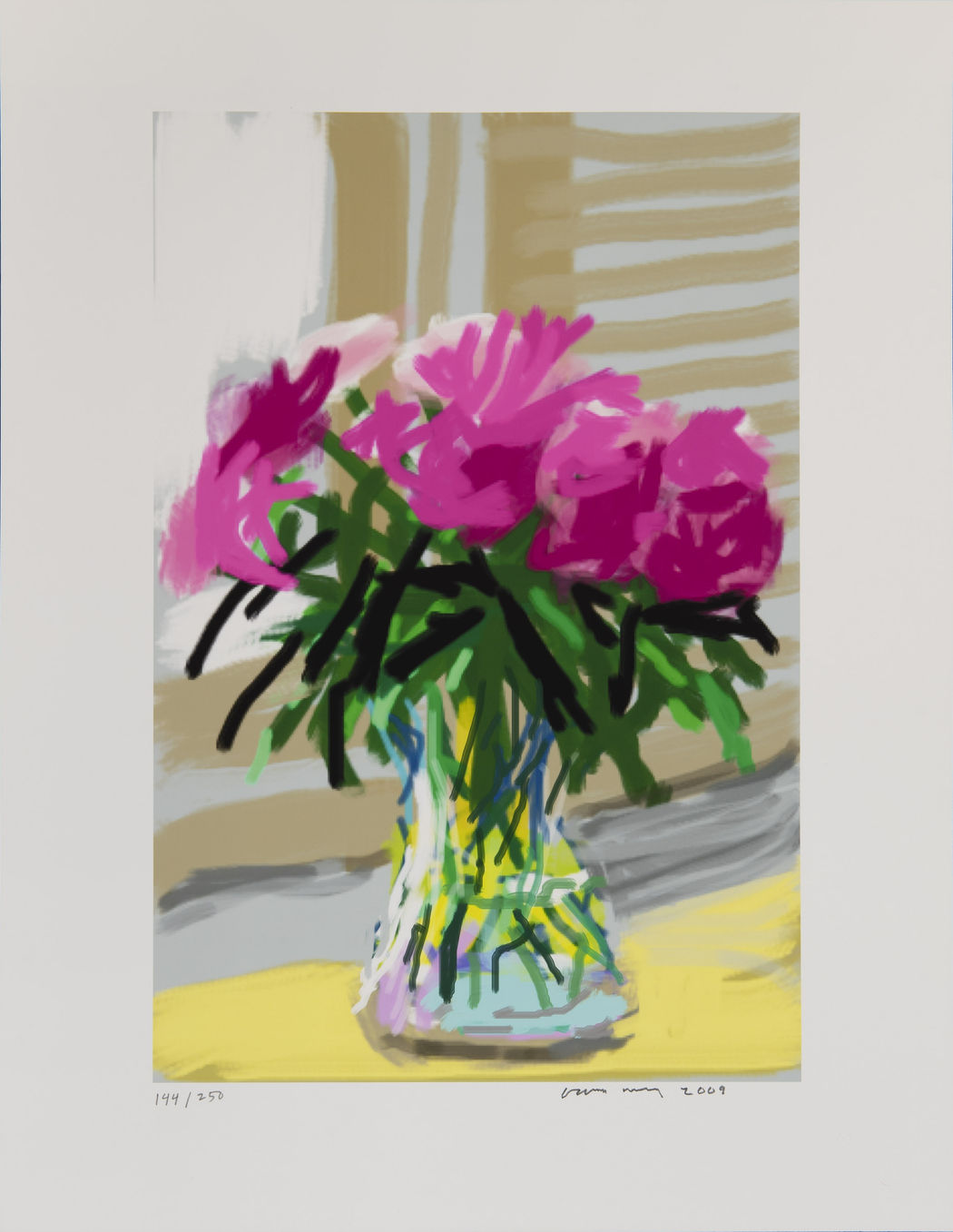
David Hockney and Technology: From Polaroids to iPad Drawings
Hockney's Way of SeeingDavid Hockney has never treated technology as something external to art. Across more than six decades, new tools appear in his practice not as symbols of progress or novelty, but as instruments for returning to a persistent concern: how we see, and how seeing might be made visible. From Polaroid cameras to fax machines to iPads, Hockney's engagement with technology reads less like a timeline of innovation and more like a series of lateral experiments, each circling the same perceptual questions from a different angle. -

Warhol's Christmas Cards
Ths Perfect American ChristmasAndy Warhol isn’t the first name that comes to mind when you think of Christmas. Yet the pop art icon had a surprising affinity for the holiday. Merging religion, bold iconography, and playful kitsch, Christmas perfectly suited Warhol’s artistic vision. Far from a Grinch, he embraced the season of giving with creativity and flair. In this article, we dive into Warhol’s fascination with Christmas and the whimsical ways he celebrated it through his iconic card designs and holiday-inspired art. -

How to Care for Your Banksy Print
A Brief GuideOwning a Banksy print comes with its own set of considerations for collectors. While not as intricate as safeguarding a masterpiece by an Old Master, there are essential factors to contemplate when acquiring, framing, and displaying artwork from the renowned street artist. -

Why Is David Hockney Important?
From his swimming pool paintings to his innovative digital artWhy is David Hockney important? Discover how his groundbreaking use of colour, technology, and perspective shaped contemporary art. -
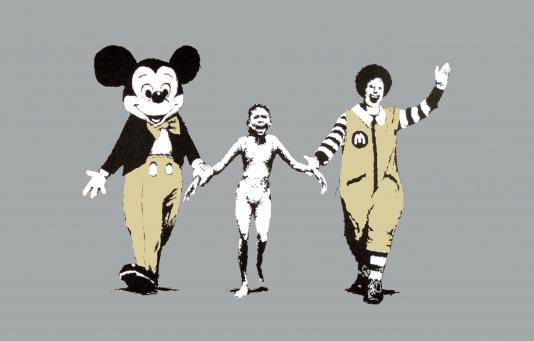
Banksy Hand-Finished Prints
When is a print not a print?Banksy, like many artists, is known for his hand-embellishing of some of his limited edition prints. Extremely rare and widely coveted by collectors, these hand-finished works command a higher price than their standard counterparts. In today’s article, we look into some of his most popular and famous hand-finished works and ask, when is a print not a print? -

-
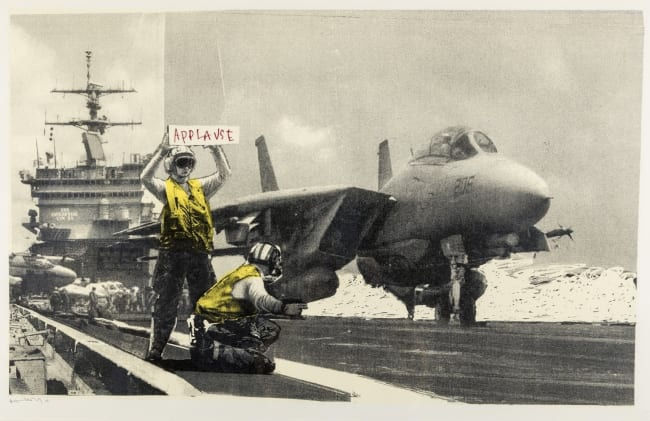
Banksy and War
What 6 Key Works Tell Us About Conflict and ResistanceWar, sadly, is a fact of life. Whilst humans have evolved and living standards across the world have generally improved, war seems to be a constant inalienable part of human existence. Even in the 21st century our bellicose nature never appears to be too far away from the surface and ready to erupt in death and destruction. Indeed, war has been a subject for artists throughout recorded history and the present is no exception. In today’s article we explore war as told through five seminal works by Banksy.
-

Keith Haring : Stones Series
An IntroductionBorn in Pennsylvania, in 1958, Haring was inspired by Walt Disney and Dr Seuss to start drawing as a child. The basic cartoon drawing that he developed, inspired by these two icons of Americana and his father, led him to the Ivy School of Professional Art in Pittsburgh, a commercial arts school, where he became disinterested in commercial art and pursued a career as a graphic artist, dropping out after two semesters.
-
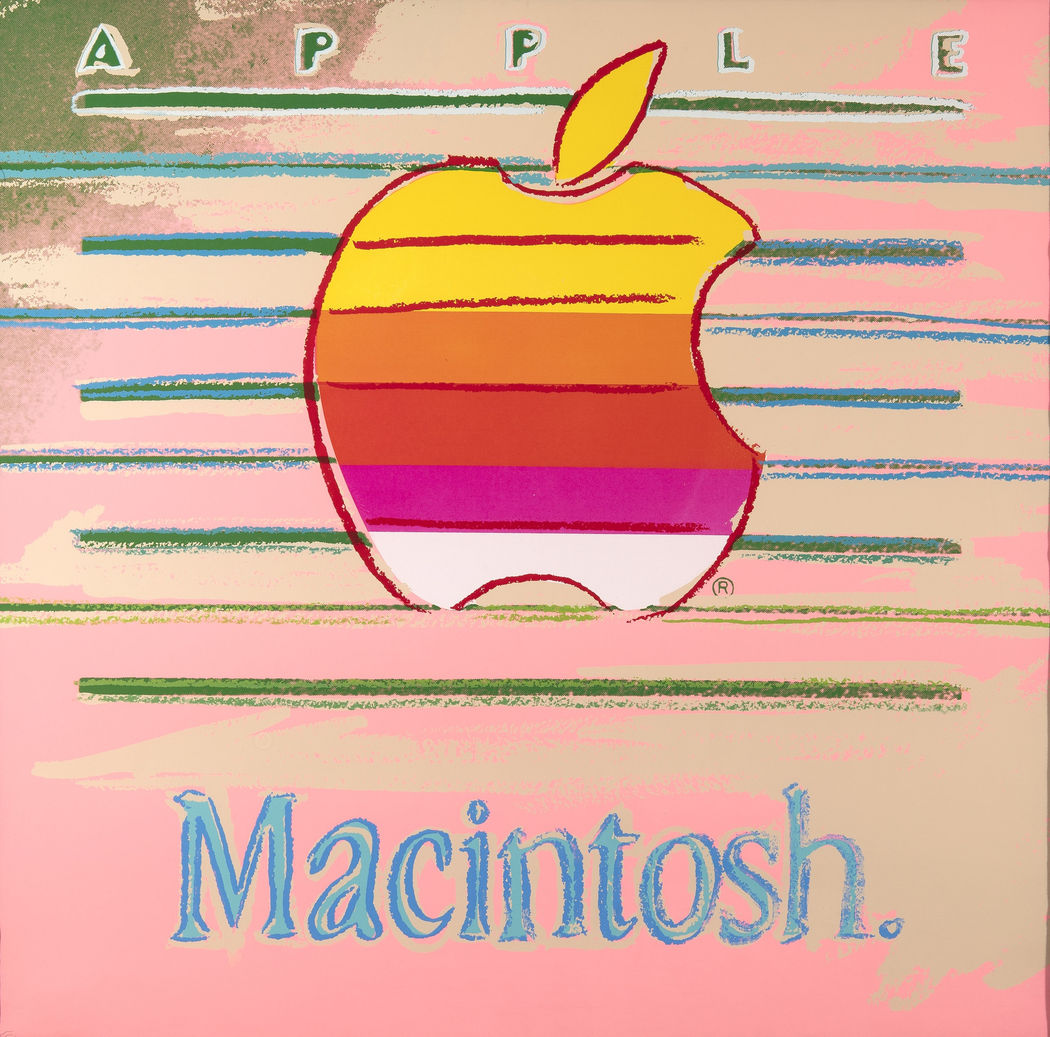
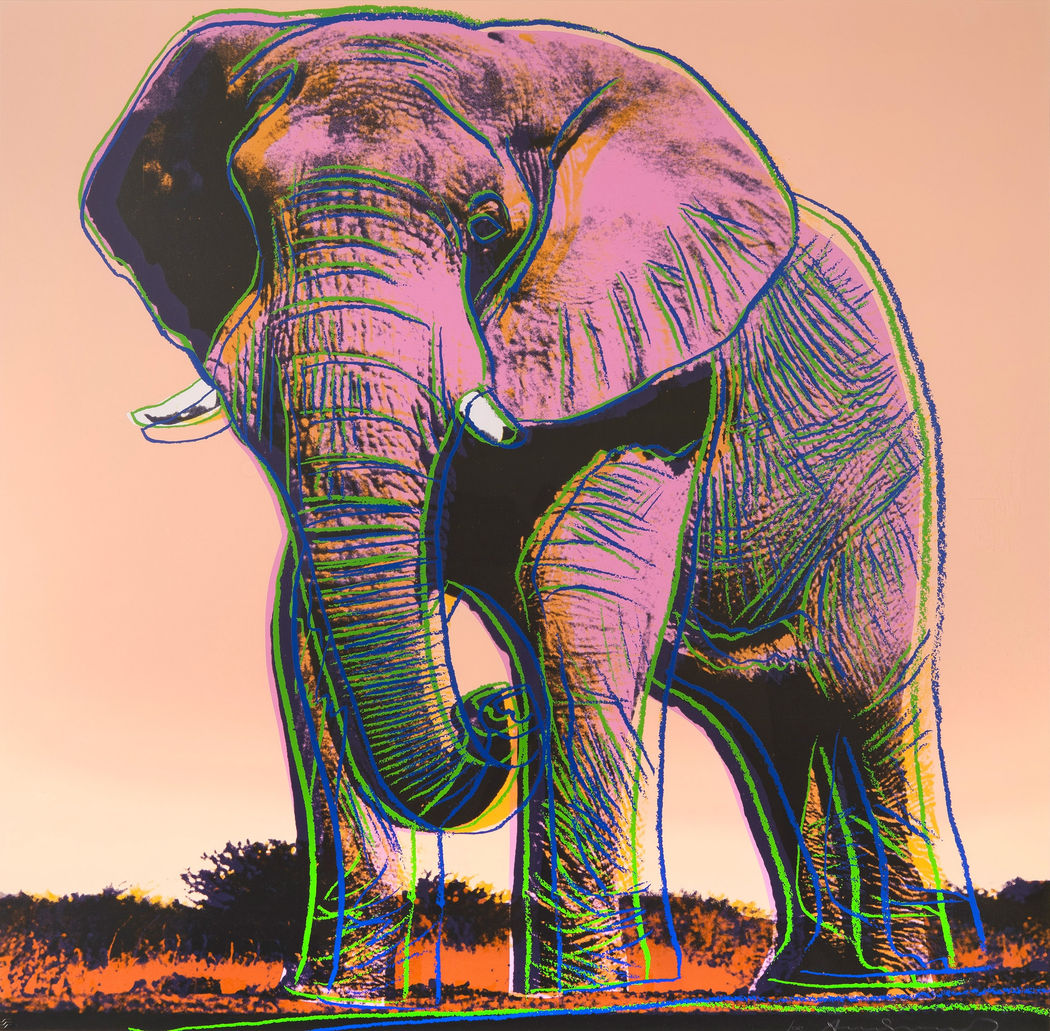
Andy Warhol and the Machine Made Beautiful
From the Apple Macintosh to the Age of Digital Pop -
-
-

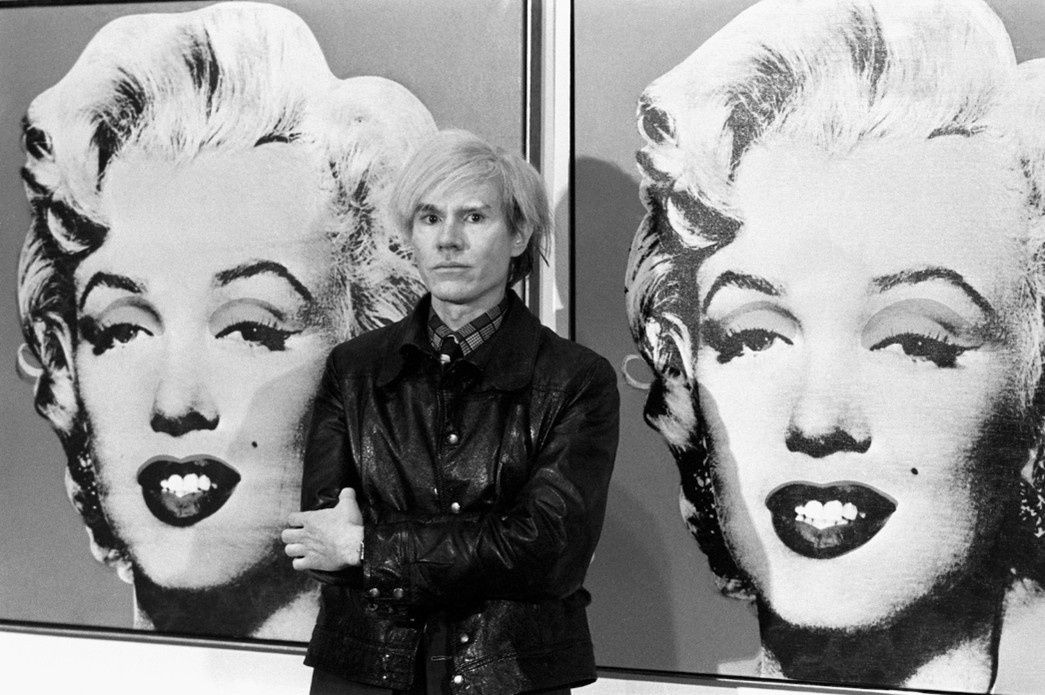
Andy Warhol behind the persona: “I never fall apart because I never fall together"
The Paradox of Andy Warhol -

A Brief Guide To Lithography
History and ProcessAndipa Editions specialises in prints and multiples by the world’s leading artists. As part of Andipa, we have been in the same London townhouse for over 56 years. In today’s blog, we continue our series where we explore printmaking with our second instalment by looking at the printmaking process of lithography. -
 One of the most influential figures of the 20th century, Andy Warhol’s impact on art and wider world cannot be understated. From revolutionary techniques within the medium of screenprinting to the ability to turn everyday objects and images into high-art, Warhol’s legacy is very much apparent in our 21st century world. Fascinated by the concept of machisation and the industrial production of art, Warhol, conversely, was often not involved in the production of his art - even leaving the signing of works to his assistants. This departure from pre-established, traditional ways of understanding and making art naturally makes authenticating Warhol’s canon both complex and difficult. In this article we will explore how to authenticate an Andy Warhol artwork.
 -
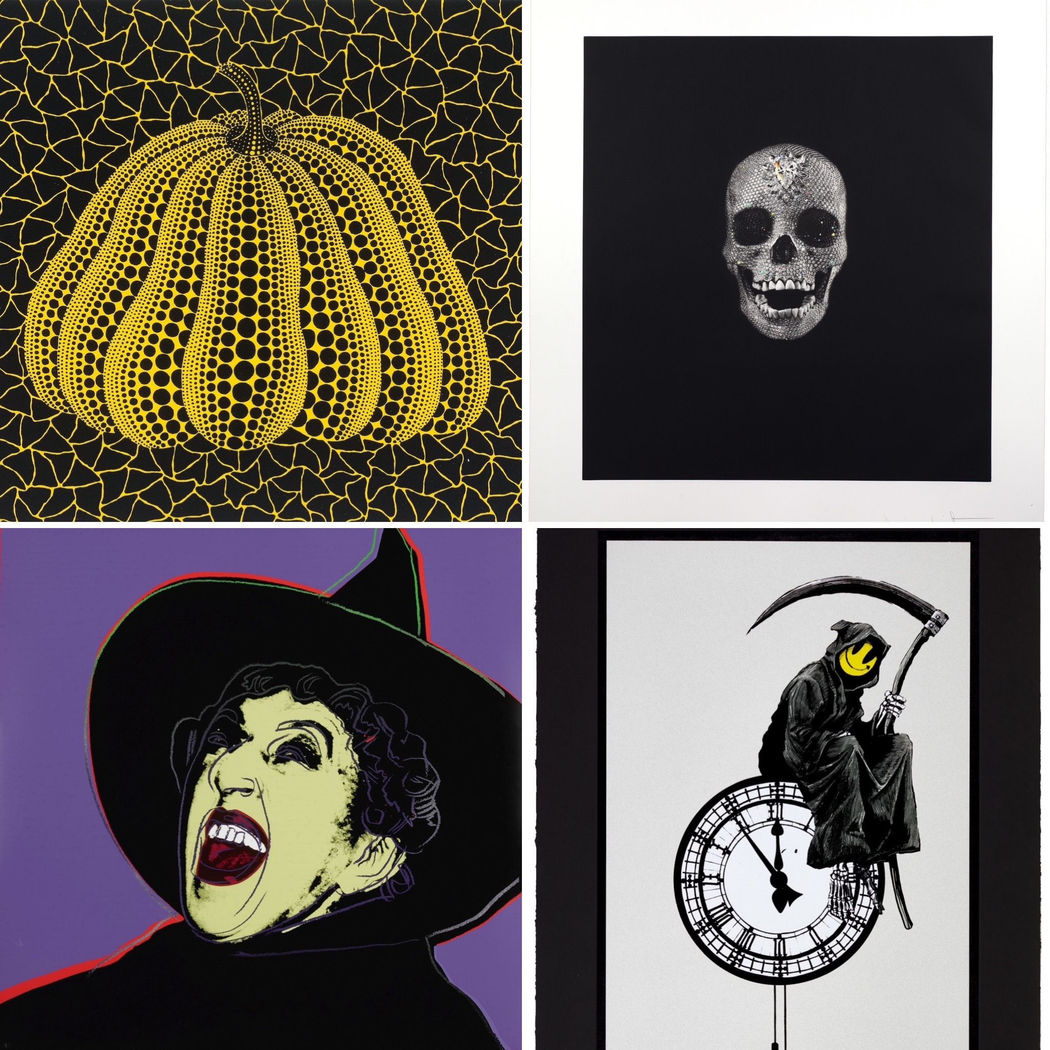
Halloween at Andipa
Four Spooky PrintsThis Halloween we celebrate a spooky selection of artworks available at Andipa Editions to get in the mood for the scariest night of the year. We have chosen four seminal prints by our favourite artists to celebrate this blood-curdling day. -

-

-

-
-
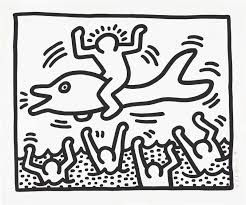
Keith Haring on Screen: Andrew Haigh’s Upcoming New Series
Subway Years, Pop Shop, and East Village Scene -

-
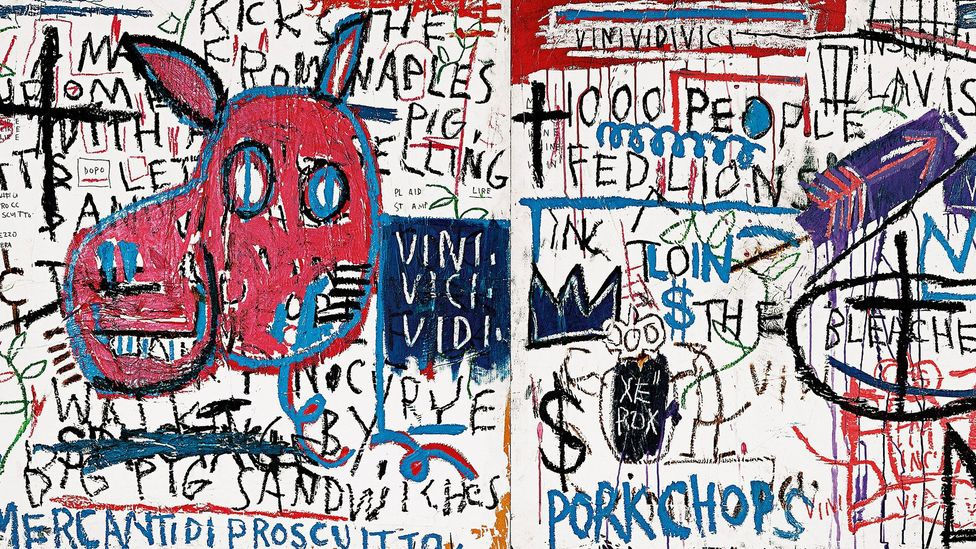
The Most Expensive Jean Michel Basquiat Paintings
As sold at auctionWhen it comes to contemporary art, few names resonate as powerfully as Jean-Michel Basquiat. Emerging from the gritty streets of 1980s New York City, Basquiat transformed from a graffiti prodigy to an art world superstar in just a few short years. Along with fame, Basquiat’s works have seen an astronomical rise in their auction valuations, reflecting his enduring significance and the ever-growing demand for his art.
From SAMO© to Sotheby's
Basquiat's early work, tagged under the pseudonym "SAMO©", adorned the walls of the Lower East Side, laying the foundation for his journey. His transition from streets to galleries was swift. By the mid-1980s, he was collaborating with iconic figures like Andy Warhol and exhibiting in major galleries around the world.
-

Banksy at the Royal Courts of Justice
Protest, Power and the Art of InterventionThis week, London awoke to a new mural by Banksy - a work that has already set the art world, legal circles and social media alight. Painted directly onto the Queen's Building of the Royal Courts of Justice, the mural depicts a judge in full traditional wig and robes raising a gavel over a protester lying prone on the ground. In the protester's hand: a placard smeared with vivid red paint, doubling as blood. Banksy confirmed authorship through his Instagram, captioning it simply: "Royal Courts Of Justice. London."
Within hours, court officials moved quickly to cover the work with plastic sheeting and barriers, later announcing plans for its removal. The Queen's Building is Grade II listed, and authorities framed the action as protection of heritage - yet the speed with which the mural was silenced is itself part of the story.
Protest, Criminalisation and the UK’s Political Climate
The mural arrives in the wake of the UK government's decision to proscribe Palestine Action as a terrorist organisation, sparking widespread demonstrations and significant numbers of arrests. For many commentators, Banksy's image functions as direct commentary: the gavel of the law brought down not on abstract crime but on a body of protest.
A Layered Critique of Law and Power
As with much of Banksy's work, interpretation is layered. The judge's elevated pose suggests not impartiality but violence; the protester's vulnerable position underscores the unevenness of power. The mural demands viewers confront uncomfortable questions: Who is being protected? Who is being punished? What is the role of law when dissent is at stake?
This is not the first time Banksy has tested the boundaries of legality. From painting on the West Bank separation wall to his early guerrilla interventions in the British Museum and Tate Britain, his practice has always probed the line between what is permitted and what is condemned.
By choosing the Royal Courts of Justice - the symbolic heart of the British legal system - Banksy sharpens his critique. This is not a random wall or a sidestreet stencil; it is a direct address to the architecture of authority. The placement transforms the work into an act of civil intervention rather than just a painting.
Authorities responded predictably swiftly. The Royal Courts of Justice complex is an icon of Victorian Gothic architecture, and officials were keen to emphasise their duty to preserve the listed fabric of the building. Yet the language of "protection" in this context also resonates uncomfortably with the mural's theme. Protecting the stonework meant erasing the image; protecting heritage meant silencing a contemporary artistic voice.
Irony: Covering the Mural Amplifies Its Impact
In a twist of irony, the very act of concealment has amplified the mural's global impact. Images and footage of the covered wall - ghostly plastic sheeting stretched over the figure of the judge - now circulate almost as widely as the mural itself.
Banksy’s Market Impact
For collectors and the art market, Banksy remains a fascinating paradox. His street interventions are ephemeral, often swiftly removed, painted over or even chiselled out for resale. Yet they are also some of the most valuable and sought-after works in the contemporary art market. Pieces like Girl with Balloon or the infamous self-shredding Love is in the Bin at Sotheby's demonstrate how his critique of commodification coexists with intense demand.
This latest mural at the Royal Courts of Justice may never be available to private collectors - indeed, it may already be lost beneath restoration work. But the story of its appearance and erasure fuels the mythology that underpins Banksy's market power. Each new intervention strengthens his position not merely as an artist but as a cultural phenomenon whose works embody urgency, defiance and risk.
Why This Matters to Collectors
At Andipa, we have always emphasised that art is not a commodity first and foremost: it is a journey, an encounter with meaning. Banksy's mural this week illustrates this point with clarity. Whether or not the physical work survives, the intervention itself reshapes conversations around protest, justice and power.
For collectors of Banksy's prints and editions, this episode underscores the continuing relevance of his practice. His art remains a living, breathing commentary - not a relic of the 2000s but a dynamic voice addressing today's conflicts. Owning a Banksy edition is to participate in this ongoing story, a story written not only on paper and canvas but on the walls of our cities.
At Andipa Editions we are proud to have placed some of Banksy's most important works with collectors worldwide, from iconic prints like Rude Copper and Napalm to rare trial proofs and hand-finished editions. Our role is not simply to facilitate acquisition but to guide collectors in understanding the deeper context behind each piece - the "why" as much as the "what."
This week's mural reminds us why Banksy continues to resonate: because his art confronts, unsettles and reframes the way we see society. Whether painted on a wall that will soon be scrubbed clean or preserved within a frame, his works embody a restless energy that challenges complacency. Banksy's mural at the Royal Courts of Justice may soon vanish beneath the hand of conservators, but its image - and the questions it poses - will not be so easily erased. It is a reminder that art can intervene directly in public life, forcing us to confront difficult truths in spaces where they are least expected.
For collectors, it is also a reminder of the urgency and vitality that makes Banksy one of the defining artists of our time.

-

-

-
David Hockney’s Photographic Vision
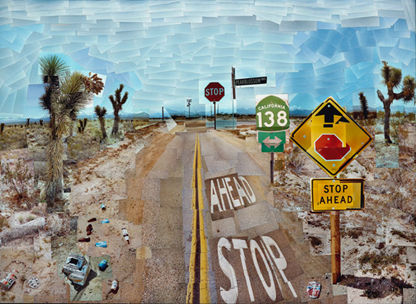
Beyond PaintingPearblossom Hwy. 1986 No.1. Photographic collage on paper.
David Hockney’s photography is one of the most fascinating, inventive, and underappreciated chapters in the career of one of Britain’s most celebrated living artists. Known worldwide for his vivid, sun-drenched paintings of California swimming pools, Yorkshire landscapes, and intimate portraits, Hockney has also made extraordinary contributions to the development of modern photography. His photographic works, particularly the now-iconic “joiners,” are a powerful testament to his constant curiosity and refusal to be confined by tradition. For collectors, admirers, and those exploring Hockney’s practice through galleries such as Andipa Editions, his photography opens up an entirely different dimension of his artistic vision, one that challenges how we see, remember, and reconstruct the world around us.
In the early 1980s, David Hockney began experimenting with photography not as a supplement to his painting, but as a serious, standalone practice. Frustrated by the limitations of the single photographic image and inspired by the cubism of Picasso and Braque, Hockney developed his own visual language using a Polaroid camera and later a 35mm film camera. These photographic collages, constructed from dozens or even hundreds of individual prints arranged to form a larger image, were dubbed “joiners.” Unlike traditional photographs, which capture a single frozen moment, Hockney’s joiners unfold over time and space. They ask us to consider how we actually experience life: not in a single frame, but in fragments, glances, and shifting perspectives. His early works in this style, such as Pearblossom Hwy or Don & Christopher, feel both intimate and expansive, capturing not only scenes but the experience of looking at them.
Capturing Time and Space
What makes Hockney’s photography so compelling is the same thing that makes his painting so enduring, his relentless desire to push against the flatness of the picture plane. Whether using paint or Polaroids, Hockney wants to get closer to the truth of perception, which for him has never been static. His photographic collages are as much about time as they are about space. A portrait might contain multiple expressions of the same subject; a room might be captured from various angles at once. In doing so, Hockney plays with the idea that our memories and our visual understanding are never quite linear. This is not photography as documentary, but as interpretation; fluid, complex, and deeply personal.
At Andipa Editions, where Hockney’s limited edition prints and rare works are part of an ongoing conversation with collectors and the wider art world, his photography offers a bridge between disciplines. Those familiar with Hockney's lithographs, iPad drawings, or etchings will recognise in his photo collages the same playful intelligence, the same urge to deconstruct and reinvent. Just as his swimming pool paintings redefined light and colour in figurative art, his joiners redefined what a photograph could be, not simply a record, but a constructed vision. For collectors, this opens up a fascinating avenue. Hockney’s photographic works are not as widely known or circulated as his paintings or prints, but they are just as significant in understanding the full arc of his creativity.
From Analogue to Digital
What’s also striking is how Hockney’s photography ties into his larger, ongoing investigation into technology and image-making. Long before smartphones made panoramic photography ubiquitous, Hockney was physically cutting and arranging prints by hand to achieve a similar effect - but with a distinctly human touch. His approach is tactile and analogue, yet conceptually advanced. In later years, as he moved on to using iPhones, iPads, and multi-camera video installations, the seeds of this digital experimentation can clearly be traced back to his photographic collages of the 1980s. In this way, his joiners aren’t just a curiosity or a detour, they’re a crucial step in his lifelong attempt to make pictures that reflect how we actually see the world, rather than how a camera tells us we should see it.
Hockney’s photographic practice also reflects his deep connection with his subjects, often friends, lovers, and the spaces they inhabit. The portraits feel especially intimate because they reveal time unfolding within them. A face might appear twice in the same image, or an arm might subtly shift from one frame to another. These anomalies aren’t errors; they’re part of the point. Hockney invites us to see people and places not as static objects but as living, breathing presences. In this sense, his photography is far more painterly than many would expect - full of warmth, movement, and complexity. For collectors drawn to emotional richness in visual art, this body of work holds deep appeal.
Today, as David Hockney continues to work with new media well into his 80s, the relevance of his photographic explorations remains strong. In a visual culture dominated by fast, disposable images, his joiners ask us to slow down, to consider, and to look again. They remind us that seeing is not passive; it’s a creative act. For those who collect or admire Hockney’s work through Andipa Editions, there’s immense value in revisiting these photographs not only as artworks but as philosophical propositions. They question the authority of the single viewpoint and celebrate the messiness of lived experience.

-

Everything is Now: The 1960s New York Avant-Garde
Primal Happenings, Underground Movies, Radical PopThe 1960s Avant-Garde: A Radical Cultural Shift in New York
J. Hoberman’s new book Everything is Now: The 1960s New York Avant-Garde – Primal Happenings, Underground Movies, Radical Pop is a thrilling, deeply informed journey through one of the most electrifying cultural decades in modern history. With the precision of a seasoned film critic and the sweep of a cultural historian, Hoberman paints a vivid picture of the chaotic, creative, and revolutionary ferment that defined New York in the 1960s. Central to the book is the towering figure of Andy Warhol, whose influence continues to resonate through art history, the art market, and the contemporary collections of leading galleries like Andipa Editions. For collectors, critics, and enthusiasts alike, Everything is Now offers a compelling context for understanding Warhol's enduring relevance, while spotlighting the network of artists, filmmakers, and provocateurs who shaped the avant-garde movement alongside him.
Andy Warhol Within the New York Underground Scene
Hoberman doesn’t just tell the story of Warhol, he places him within a wider, pulsating ecosystem of innovation. This is not the neatly packaged pop art narrative of Campbell’s soup and Marilyn Monroe prints, but a messier, more radical view of Warhol's world, a world that included Jonas Mekas, Shirley Clarke, Jack Smith, Stan Brakhage, and countless others on the fringes of commercial art. This was the New York underground, where visual art, film, music, and performance intersected to produce something altogether new, raw, and often confrontational. In that landscape, Warhol’s Factory was both a studio and a stage, a space where boundaries between life and art collapsed in real time. Everything is Now is saturated with that energy, and it’s impossible to read it without reflecting on how Warhol’s work, much of which is represented in Andipa Editions’ collection, continues to challenge our understanding of celebrity, reproduction, and image culture.
Reframing Warhol’s Iconic Prints
For those familiar with Warhol through his silkscreens and prints - the iconic portraits of Elizabeth Taylor, Mao, or the Electric Chair series - Hoberman’s book offers a chance to see those works not as isolated art objects, but as part of a broader cultural performance. Warhol's embrace of mass production was not merely aesthetic, it was deeply philosophical. He blurred the line between artist and brand, and Hoberman is especially effective in tracing how that sensibility evolved in real-time, often in parallel with radical developments in film and media. Warhol’s early experiments with underground cinema - Sleep, Empire, Chelsea Girls - are covered in vivid detail, revealing an artist as interested in duration, boredom, and voyeurism as he was in glamour and fame. Hoberman understands that to fully grasp Warhol’s legacy, one must see the art not just as object, but as event, and this is where the book truly excels.
Insights for Collectors
For Andipa Editions, which holds a significant selection of Warhol prints, Everything is Now deepens the dialogue around these works. Collectors may already appreciate the visual impact and market value of Warhol’s screenprints, but Hoberman invites us to engage with them historically and intellectually. Take the Dollar Sign series, for instance: often viewed as playful or ironic, they are also, in Hoberman’s telling, deadly serious. Created during a period of Reagan-era capitalism, but rooted in a 1960s ethos of collapsing high and low culture, these prints are both celebration and critique. Similarly, Warhol’s Mick Jagger portraits become not just studies in rock stardom, but documents of the crossover between counterculture and mass media, something Warhol both prophesied and engineered.
Avant-Garde, Cinema, and Warhol’s Multidisciplinary Influence
Hoberman’s deep dive into the avant-garde’s relationship with cinema is particularly illuminating for understanding Warhol’s multi-disciplinary legacy. In the 1960s, artists were no longer confined to canvas; they were turning to 16mm film, Polaroid photography, Xerox machines, and live performance. Warhol’s ability to absorb and amplify these influences helped him become not only a leading figure in pop art, but a catalyst for a new way of thinking about art’s place in society. At Andipa, this expansive view of Warhol’s practice aligns with how we present his work: not just as collectible prints, but as cultural artifacts loaded with meaning, history, and provocation. Everything is Now is not a biography, nor is it a linear art history. Instead, it reads like a cultural map; dense, rich, and exhilarating. Hoberman moves between venues like the Filmmakers’ Cinematheque, Judson Memorial Church, and the Factory, bringing to life the fluid, collaborative nature of the 1960s avant-garde. Readers come away with a profound sense of how experimentalism wasn’t a niche concern but a driving force behind much of what is now considered mainstream. In this context, Warhol doesn’t just appear as a pop artist but as a central node in a web of radical experimentation that redefined the very nature of art.
Why Hoberman’s Book Matters for Warhol Collectors
For collectors and followers of Andipa Editions, Hoberman’s book provides a valuable perspective on the era that birthed so many of the works we now hold in such esteem. Warhol’s screenprints, often considered beautiful or iconic for their surface appeal, gain deeper resonance when understood against the backdrop of underground cinema, performance art, and cultural revolution. They are part of a larger story – one that Hoberman tells with insight and authority. In celebrating the avant-garde, he makes a case for Warhol not just as a pop artist, but as a documentarian of his time, a mirror to a society in flux, and a genius of both image-making and myth-making. In short, Everything is Now is essential reading for anyone interested in Andy Warhol, postwar art, or the wild creative energy of 1960s New York. For those who collect or admire Warhol’s works, whether it’s the Mao series, the Ingrid Bergman portraits, or the Skulls, Hoberman’s book offers a powerful reminder of the context that made such works possible. At Andipa Editions, we’re proud to offer access to these pieces, and proud too to participate in a continuing conversation about what makes Warhol not only important, but endlessly relevant.

-
Grayson Perry turns 65
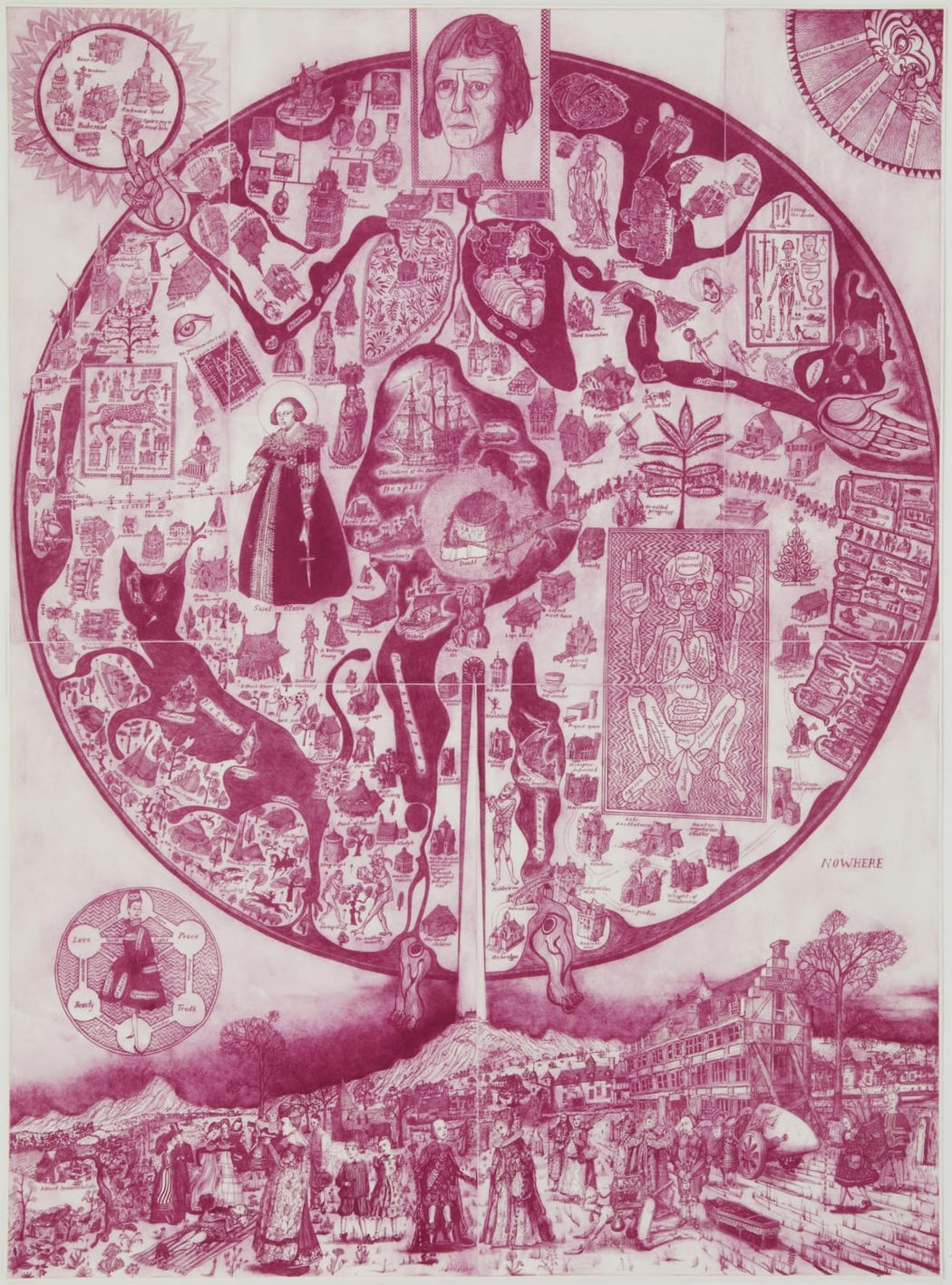
Why His Work MattersGrayson Perry, Map of Nowhere, Purple EditionGrayson Perry turns 65
Grayson Perry turns 65 this year, marking a remarkable milestone in one of Britain’s most distinctive and influential artistic careers. Over the decades, Perry has evolved from an outsider on the fringes of the art establishment into one of its most beloved, provocative, and insightful voices. Known equally for his ceramic works, tapestries, and cross-dressing alter ego Claire, Grayson Perry has consistently used his art to examine the structures of identity, class, and taste in British society. His work is celebrated not only for its craftsmanship and humour but also for its social commentary, which remains as sharp and relevant today as it was when he first came to public attention.
Early Life
Born in Chelmsford in 1960, Perry's early life was marked by emotional upheaval, a theme that would later recur in his art. After studying at Portsmouth Polytechnic in the early 1980s, he became known in the London art scene as part of the post-punk generation of artists. While many of his contemporaries turned to painting or conceptual installations, Perry made the unusual choice to work in ceramics, traditionally seen as a craft medium rather than fine art. But this choice was never about conformity. Instead, Perry used it as a way to smuggle complex and often unsettling ideas about masculinity, trauma, and cultural value into a medium associated with domesticity and function. Perry’s breakthrough came in 2003 when he won the Turner Prize, becoming the first ceramicist to do so. At the time, he was both celebrated and misunderstood - his cross-dressing and frank discussions of personal identity and sexuality became focal points in the media. But far from being a gimmick, Perry’s personal presentation was part of a larger exploration of the masks we wear in society and how identity is shaped by upbringing, class, and cultural expectation. As Claire, dressed in frills, florals, and platform shoes, he challenged the conventions not just of gender but of the art world itself.
Rise to National Recognition
Since then, Grayson Perry has become something of a national treasure. He has exhibited at major institutions like the British Museum, the Serpentine Gallery, and the Royal Academy, and his large-scale tapestries, such as "The Vanity of Small Differences", have toured the country, engaging audiences far beyond the traditional art-going public. These works, with their vibrant colours and layered symbolism, take inspiration from Hogarth and medieval religious art, yet speak directly to contemporary concerns: aspiration, consumerism, and the complicated web of class in modern Britain. As Perry turns 65, it’s clear that his work has only deepened in its relevance. His recent projects, including the widely watched TV series Grayson’s Art Club, brought creativity into people’s homes during the COVID-19 pandemic, offering a sense of community, catharsis, and connection through art. The show reaffirmed Perry’s commitment to demystifying the artistic process and making art accessible - emotionally, intellectually, and socially. His ongoing advocacy for arts education and mental health awareness further shows that his role in British culture extends far beyond the gallery walls.
Themes, Style and Social Commentary
Collectors and critics alike have continued to appreciate Perry’s output. His limited edition prints, ceramic works, and artist books remain highly sought after, not only for their visual impact but for the stories they tell. Each piece is layered with references to history, politics, and personal experience, wrapped in humour and ornamentation that belie the seriousness of the underlying themes. Whether it's a vase inscribed with sardonic takes on consumer culture or a tapestry capturing the contradictions of middle-class life, Perry’s work holds a mirror to society with both empathy and wit. Perry’s ability to bridge the personal and the political is perhaps his greatest strength. His art doesn't lecture; it converses. It invites viewers to see themselves, sometimes uncomfortably, in the characters and narratives he presents. And as the UK continues to navigate questions of national identity, cultural division, and social inequality, Perry’s voice feels more necessary than ever. He challenges without alienating, confronts without condemning, and always does so with a generosity of spirit that invites dialogue rather than shuts it down. In his 65th birthday year, Grayson Perry stands as a testament to the power of persistence, individuality, and creative courage. He has navigated fame and criticism with humour and integrity, refusing to be boxed in by trends, expectations, or institutions. His legacy is already significant, but it also feels incomplete - because Perry shows no signs of slowing down. If anything, his recent work suggests an artist still hungry to explore, still restless, still playful, still politically engaged.
Collecting Grayson Perry: Why His Work Matters
For those interested in collecting contemporary British art, Perry’s work represents both a smart investment and a deeply rewarding aesthetic and intellectual experience. His editions continue to attract attention from seasoned collectors and newcomers alike, bridging the gap between high art and popular appeal. In celebrating 65 years of Grayson Perry, we’re not just honouring a career, we’re celebrating a voice that continues to shape and challenge the cultural landscape of Britain.

-

How does Banksy make money?
From Collaboration to Pop-Ups.Since first capturing the attention of the street art world nearly 20 years ago, Banksy, the world’s most elusive artist, has become a household name across the globe. Known for his satirical, social-political subjects - his artworks have firmly established themselves in the canon of art and popular culture.
Unknown to all but a few, Banksy’s identity remains a mystery and the cause of much specialisation. Indeed, one such question that arises is that of how Banksy makes money. In this article, we will explore how Banksy operates and earns money.
-

-
 David Hockney The Weather Series, 1973
 -

Girl with Balloon
An insight into the workGirl with Balloon also known as Balloon Girl is, undoubtedly, one of Banky’s most popular works. Deceptively simple, the artwork features a young girl reaching out to a balloon. As with many of the elusive artist’s pieces it communicates a raw and powerful message that belies the simple imagery. First appearing as street murals across London in 2002, the work famously was graffitied in Waterloo Bridge with the caption “there is always hope” amongst other locations in the city. In our latest blog we explore the meaning of the work, its history and popularity.
-
-
-
-

The Legacy and Influence of Keith Haring
Bringing Art to the PeopleWith his radiant baby and barking dogs dancing across subway walls, Haring brought art to the people, infusing the urban landscape with social commentary, activism, and boundless energy. The artistic and cultural footprint Haring left behind is indelible, making his influence resonate across various facets of society today. -
-
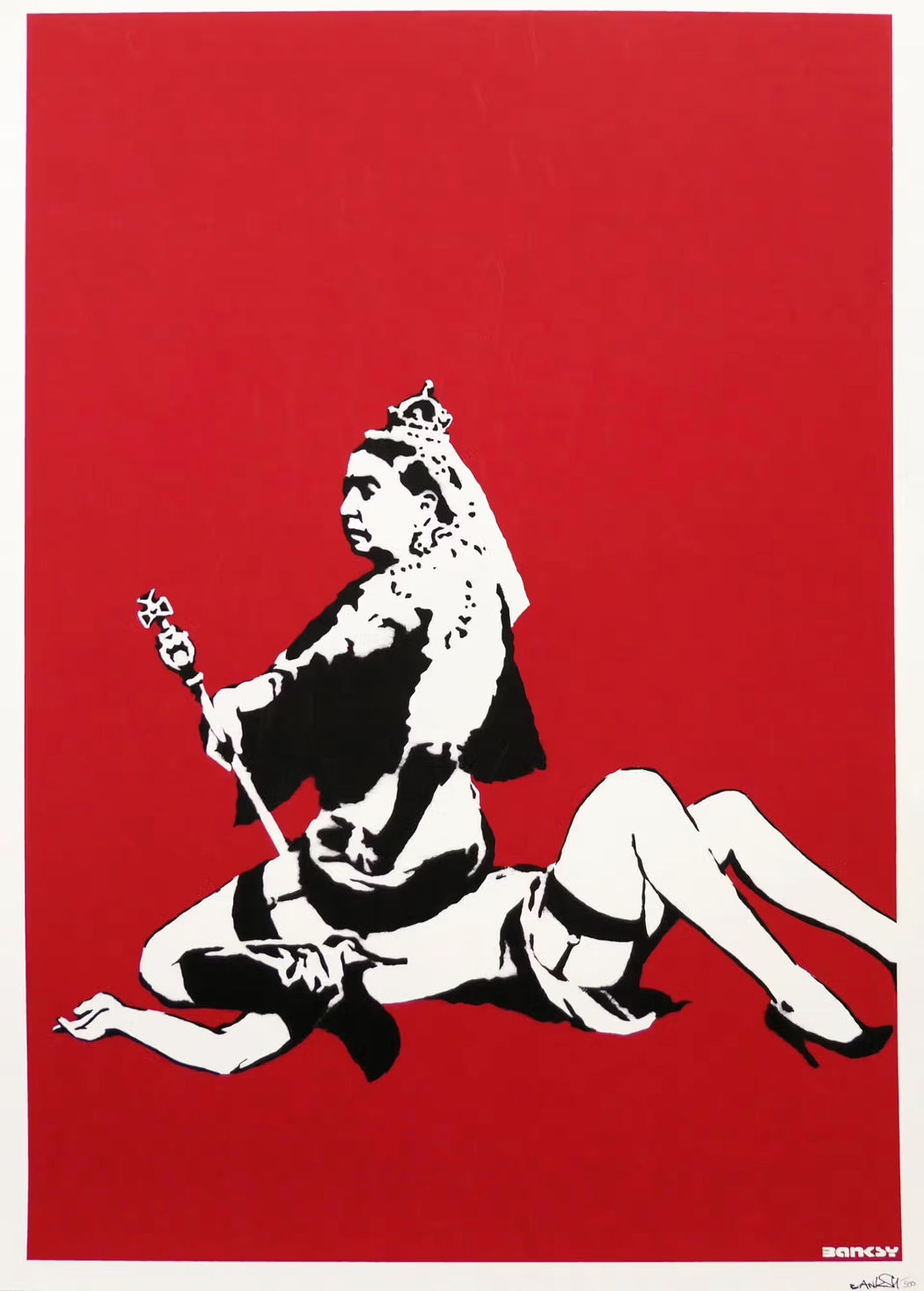
Banksy and the Monarchy
The Royals through three works.Nations and its people often draw from shared images, motifs and institutions to sculpt and create our national identities. Indeed, a person's national identity results directly from the presence of elements from the "common points" in people's daily lives: national symbols, languages, colours, nation's history, shared culture and so on. In today’s blog, we look at how Banksy questions perhaps one of the most important symbols in Britain: The Royals through three works.
-

-

-

-

American Pop Art Explained
How Warhol, Lichtenstein and Haring Transformed Modern ArtThe American Pop Art emerged as a transformative movement during the mid-20th century, challenging the conventional norms of art and redefining the boundaries of creativity. With its vibrant colours, bold imagery, and focus on popular culture, the movement played a pivotal role in bridging the gap between high art and mass culture. To celebrate the 4th of July, we dive into the history of American Pop Art, highlighting the contributions of three iconic figures: Andy Warhol, Roy Lichtenstein, and Keith Haring. -

Picasso and Chagall: A Rivalry in Colour and Light
Redefining the possibilities of painting and printmaking -
-
Unmasking “Ted”
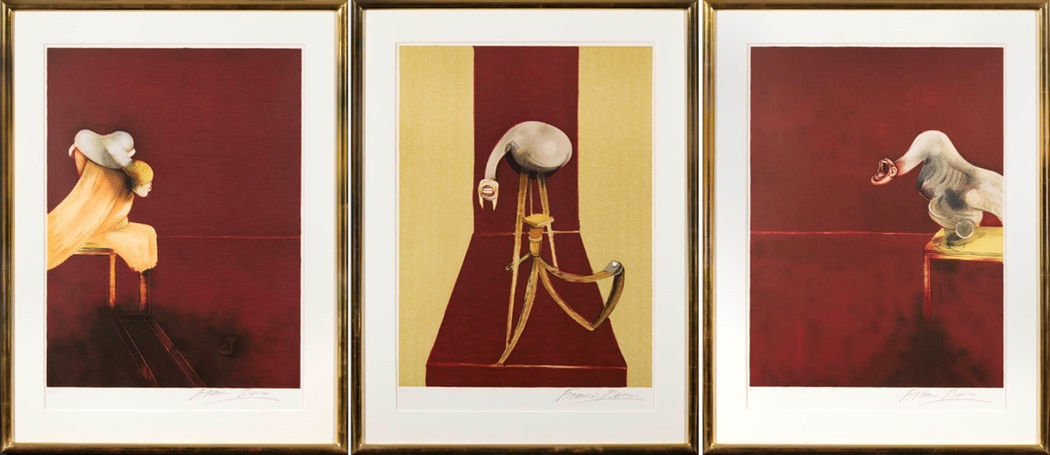
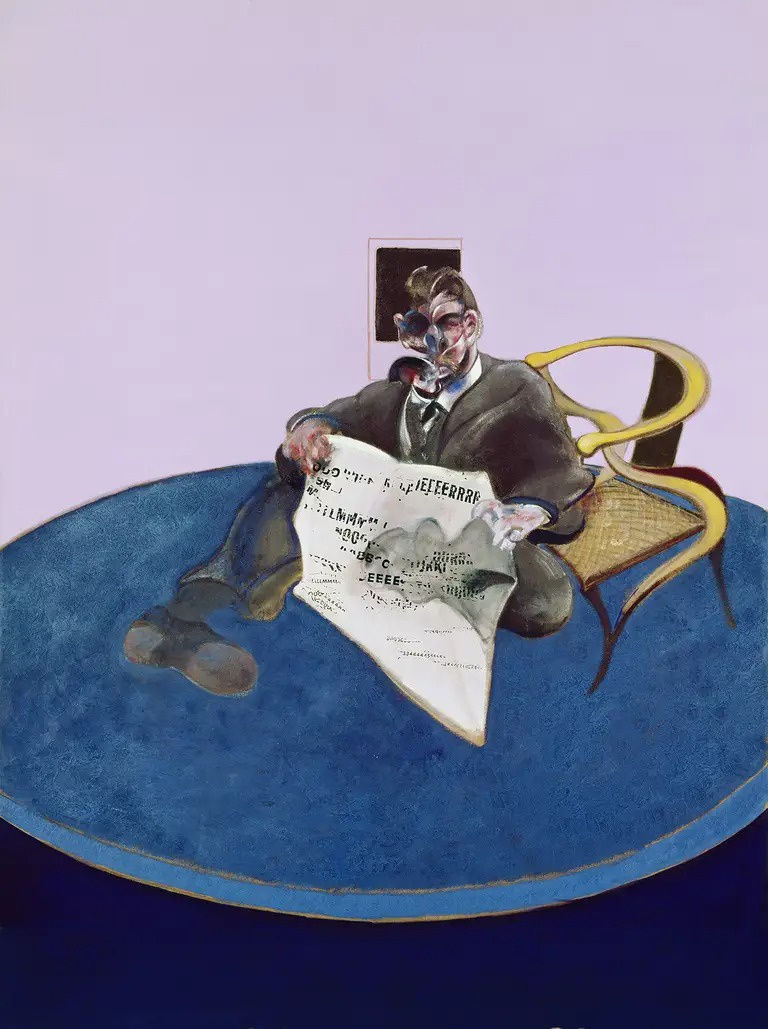
The Extraordinary Discovery Behind Francis Bacon’s Study for Portrait, 1969 -
The Provocative and Philosophical Banksy
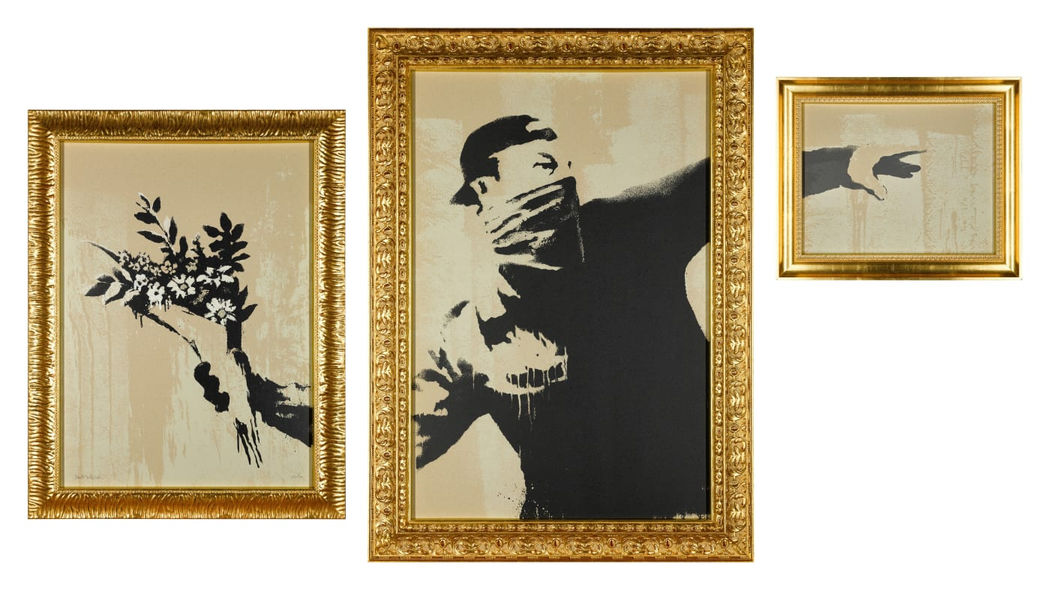
BBC's recent feature 'Five works that reveal the philosophy of Banksy' -

David Hockney and the Art of Light & Water
Iconic Pool PaintingsDavid Hockney demonstrates a remarkable ability to depict light and water in his art. Throughout his career, spanning over 7 decades, Hockney has explored these elements with a keen eye, creating works that are visually stunning and emotionally evocative. From his iconic swimming pool series to his landscapes and portraits, Hockney's use of light and water has become synonymous with his artistic style. In today’s article we will delve into the ways Hockney harnesses light and water in his art, examining the techniques he employs and the effects they produce. -
-

-

Exploring the Techniques of Printmaking
From Etching to ScreenprintingPrintmaking is one of the most dynamic and versatile forms of art, with a rich history and diverse techniques that continue to captivate artists and collectors alike. At Andipa Gallery, we are proud to showcase a wide range of printmaking techniques through our Andipa Editions collection, which includes works by renowned modern and contemporary artists. In this article, we will explore some of the most prominent types of printmaking, from etching to screenprinting, and highlight examples from Andipa Editions that embody the unique qualities of each method. -
-

-
-

Why Was Miró Inspired by Children's Folk Drawings in Catalonia?
Redefining modern art.Discover why Joan Miró drew inspiration from children’s folk drawings in Catalonia, shaping his playful, dreamlike style and redefining modern art.
-

Henri Matisse’s Iconic Faces
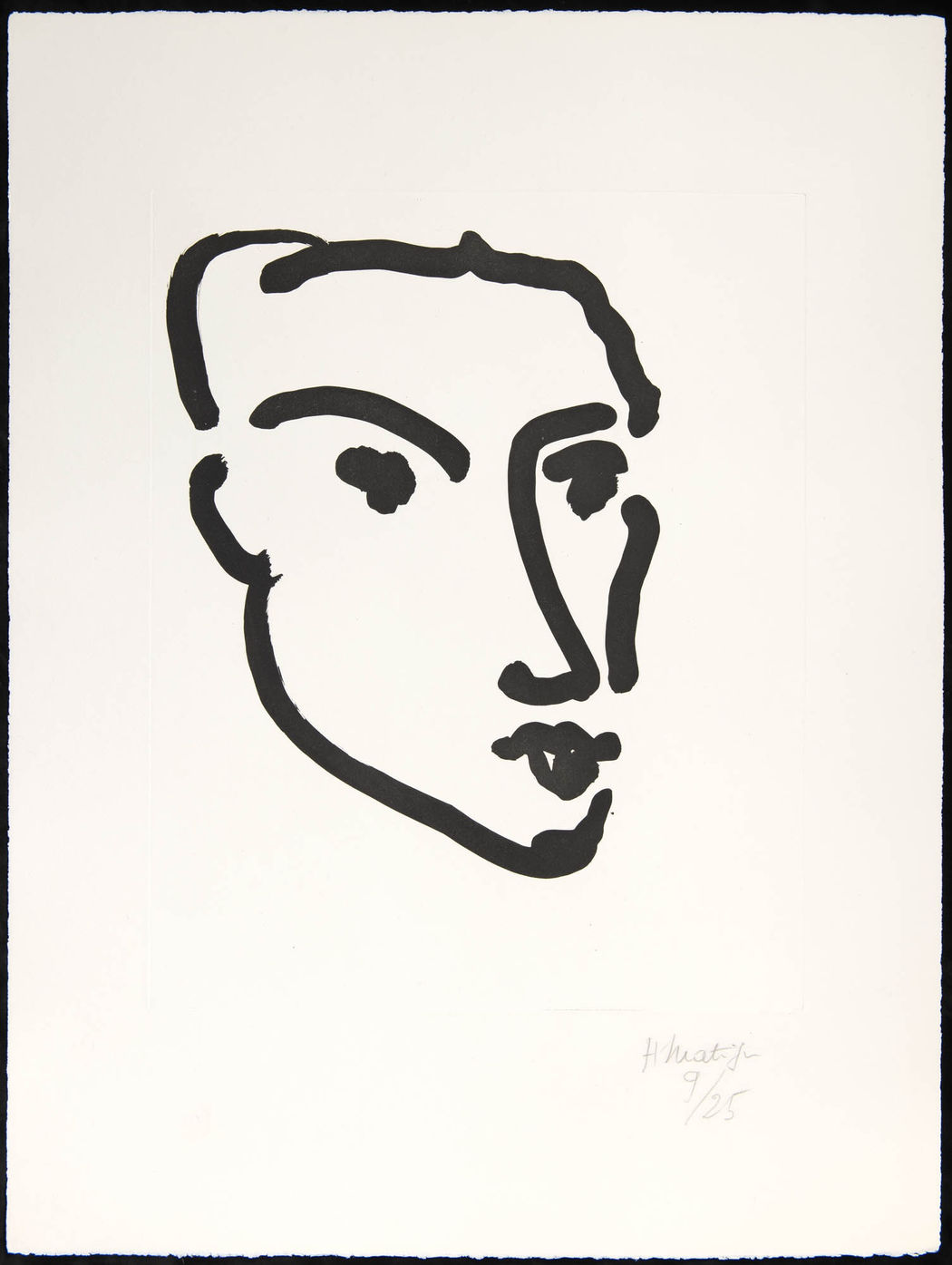
The Elegance of Line and ExpressionDiscover how Henri Matisse redefined portraiture through the graceful power of line, colour, and emotional simplicity.
-
-
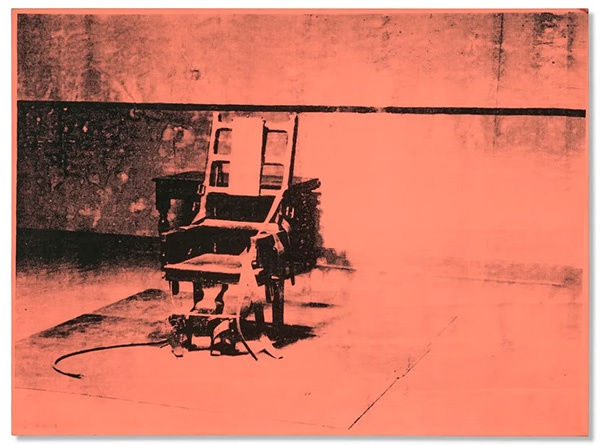
On 12 May, Andy Warhol’s canonical canvas Big Electric Chair (1967-8) from the Matthys-Colle collection, will feature as a leading highlight in Christie’s 20th-century evening sale.
-
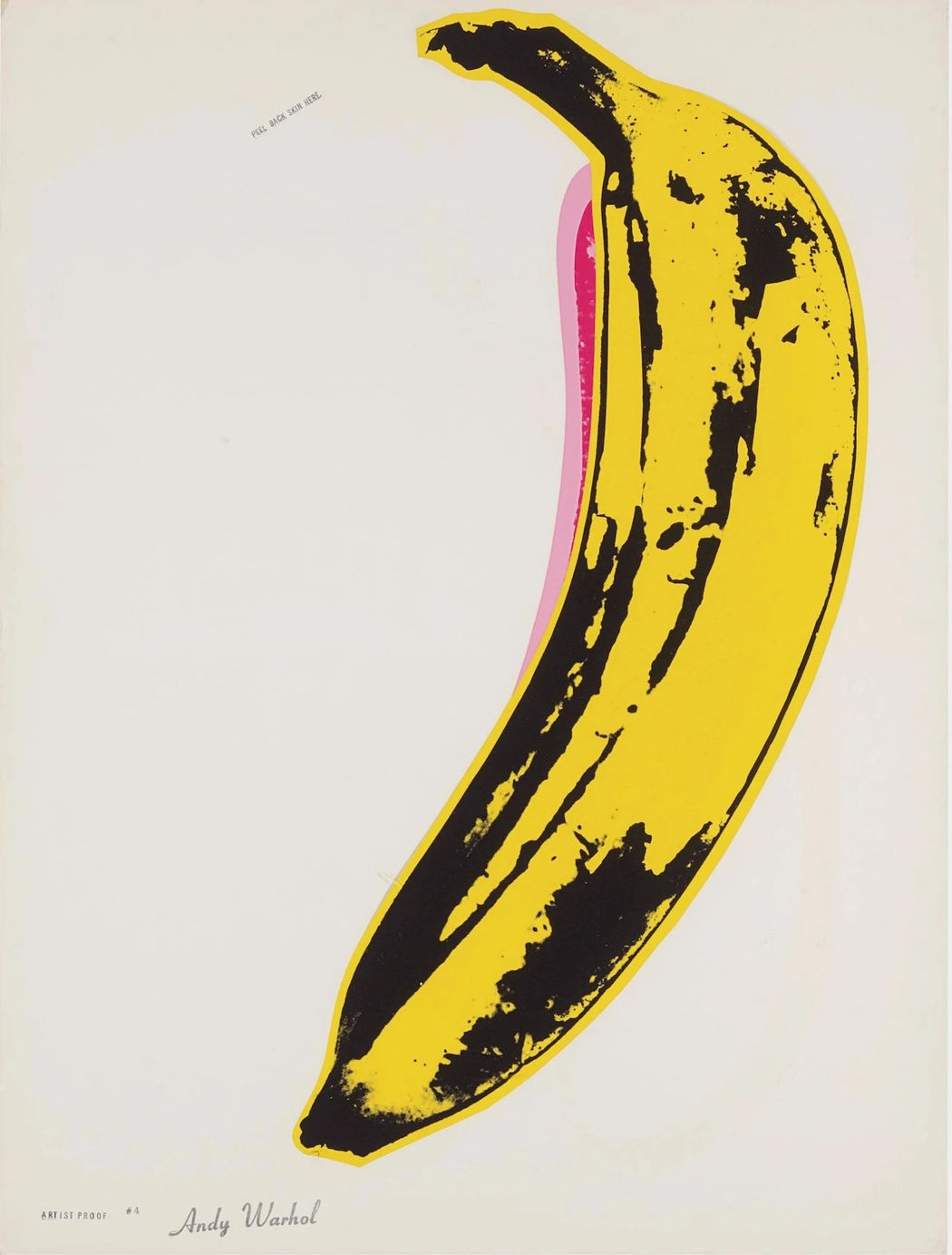
Eat Like Andy
Warhol and The SuperbowlSuperbowl LVIII takes place on Sunday 11/02/2024 and witnesses the Kansas City Chiefs take on the legendary San Francisco 49ers in a game that is sure to excite. The pinnacle of the American Football season, The Superbowl transcends its place as a sporting event as millions across the world come together to enjoy the spectacle. Hopes and dreams will either be made or shattered in a show that is firmly rooted in the national identity of the host country. Bold and brash, the Super Bowl is engrained with the psyche of America and rises above 44 mear men who have the chance to become sporting gods and sit amongst those in the pantheon of footballing greats. Whether it is the halftime show or the commercial break - with adverts costing circa $6.5m USD for a thirty second slot, the game is sure to go down in history. It is with commercials in mind that we look at an unlikely hit by Burger King in 2018 which saw Andy Warhol take centre stage. -

How Collectors and Investors Can Navigate a Tariff War Through Culture
Building a Recession-Proof Portfolio with ArtSo, here is an article that you would not typically expect from Andipa BUT so wild are these times of uncertainty, we decided to break with our own convention and write about Art as an Investment in troubled times.
-

The Influence of Jean-Michel Basquiat in Popular Culture
From fashion to MusicFrom the streets to the auction houses. Jean-Michel Basquiat’s short-lived but ferocious career has influenced the artworld and wider culture since it was sadly cut short in 1987. Starting as an unknown graffiti artist using the tag SAMO ( 'Same Old Shit') in New York's Lower East Side, and quickly rose to international acclaim as one of the most prominent and provocative artists of his time. Tragically dying at just 27, Basquiat has left a wealth of art for the world to enjoy. His influence on art and culture can still be felt today and in this article we explore Basquiat’s influence on popular culture. -

Grayson Perry: Delusions of Grandeur
Exhibition at The Wallace CollectionGrayson Perry's significant new exhibition at The Wallace Collection, titled Grayson Perry: Delusions of Grandeur, will feature over 40 new works to celebrate the artist's 65th birthday.
-

-

George Dyer’s Relationship with Francis Bacon
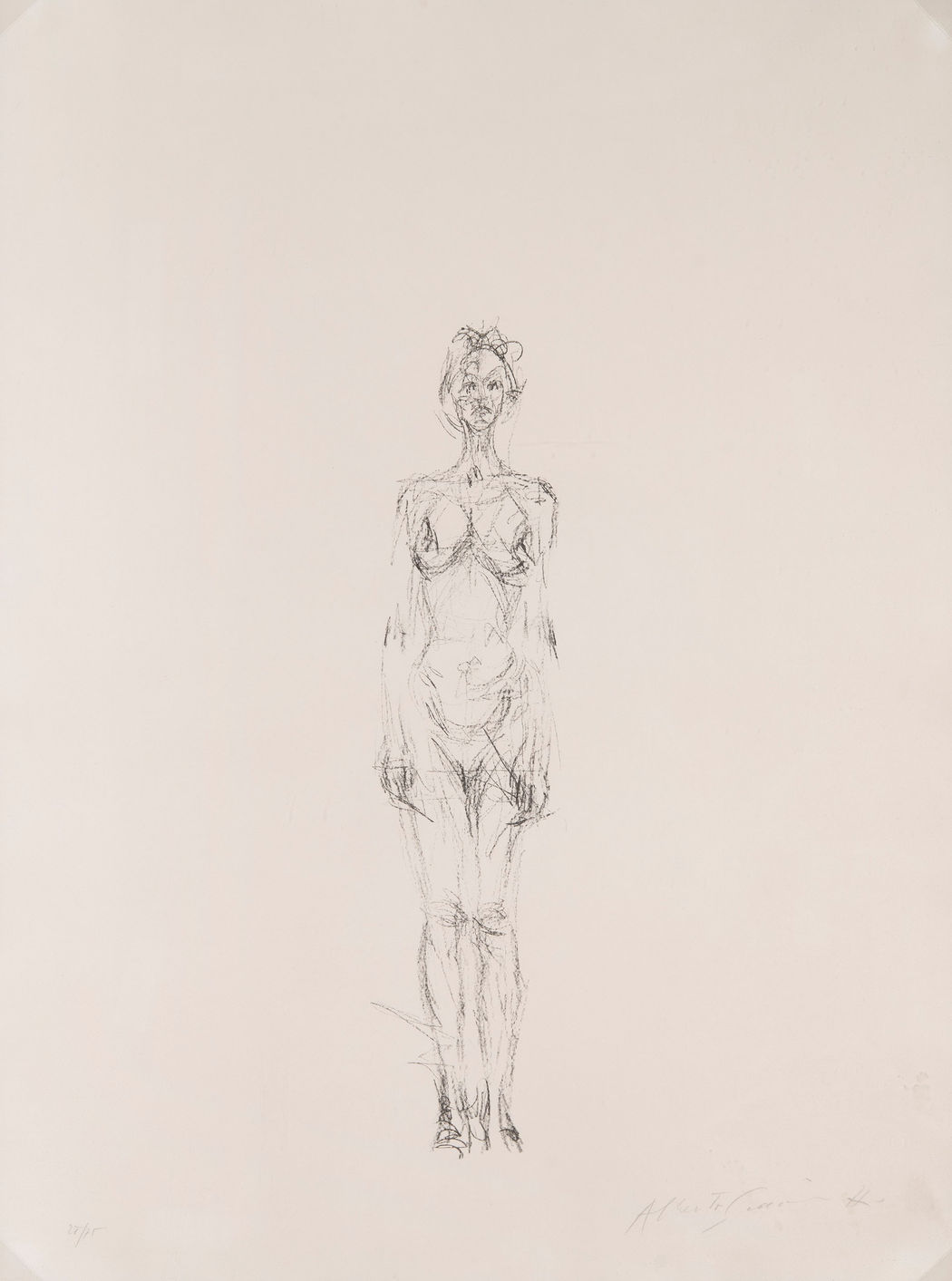
The Enduring Influence of George DyerExplore the complex and tragic relationship between Francis Bacon and George Dyer, and how it shaped some of the artist’s most powerful works.
-

Hong Kong Art Basel 2025
A ReviewExplore the highlights of Hong Kong Art Basel 2025, showcasing a dynamic blend of traditional artistry and cutting-edge innovation in the heart of Asia's art scene.
-

Damien Hirst and the Butterfly Motif
Themes and Ideas in Hirst’s Butterfly ArtDamien Hirst and Butterflies: Iconic Motifs of Transformation and Mortality
Known for his provocative and controversial works that challenge traditional notions of art Damien Hirst has used an array of recurring motifs throughout his career. One of the most prominent in his art is the use of butterflies. Hirst's use of butterflies has evolved over the course of his career, from their use as a decorative element to their incorporation into complex installations that explore themes of life, death, and transformation. In this article, we will explore Hirst's use of butterflies throughout his career and the themes and ideas that they represent. -
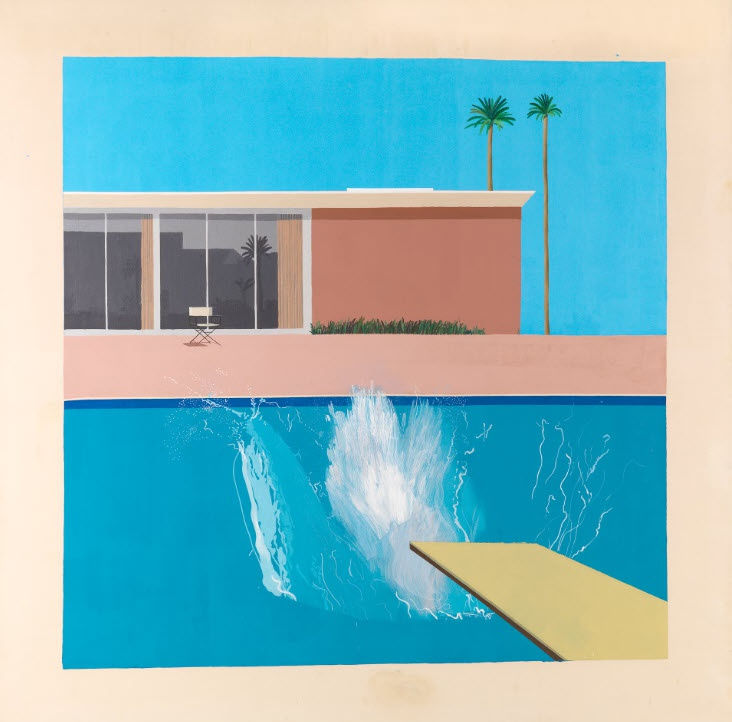
David Hockney 25 at Fondation Louis Vuitton in Paris
9 April to 31 August 2025
The Fondation Louis Vuitton in Paris is set to host an expansive retrospective of David Hockney's work, titled "David Hockney, 25," from 9 April to 31 August 2025. This exhibition will feature over 400 pieces spanning seven decades of Hockney's prolific career, making it the most comprehensive showcase of his art to date. -
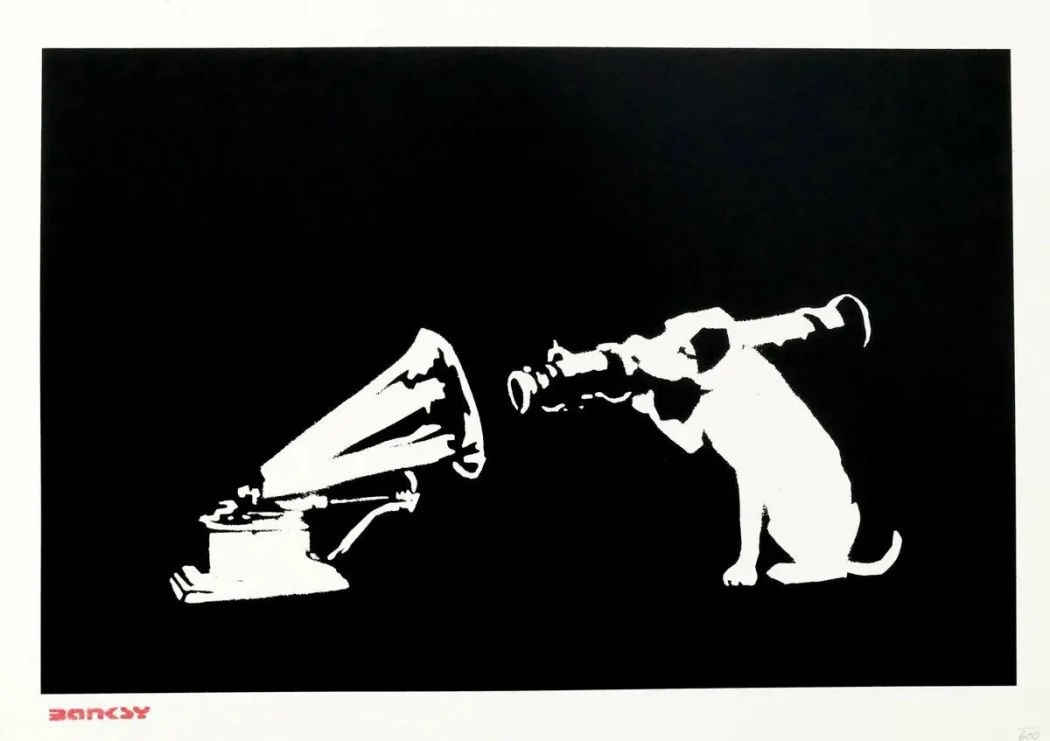
When Banksy Put the Vest on Me
Stormzy’s Glastonbury StatementStormzy’s Glastonbury 2019 performance, featuring a Banksy-designed stab vest, became a powerful symbol of Britain’s social and political divide. -

What Did Andy Warhol Study?
A unique educationWhat did Andy Warhol study? Discover how his education in commercial art shaped his career and led him to become a pop art legend. -
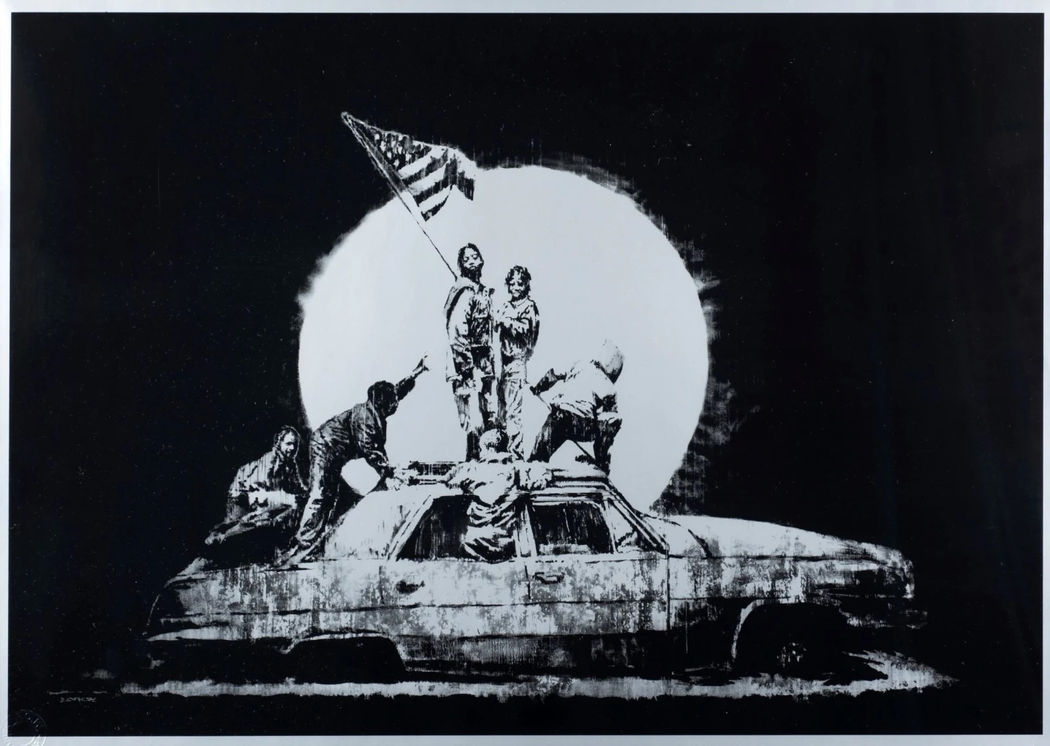
Are Banksy Prints Valuable?
A Collectors GuideAre Banksy prints valuable? Discover what makes them highly sought-after, their market trends, and why collectors continue to invest in them. -
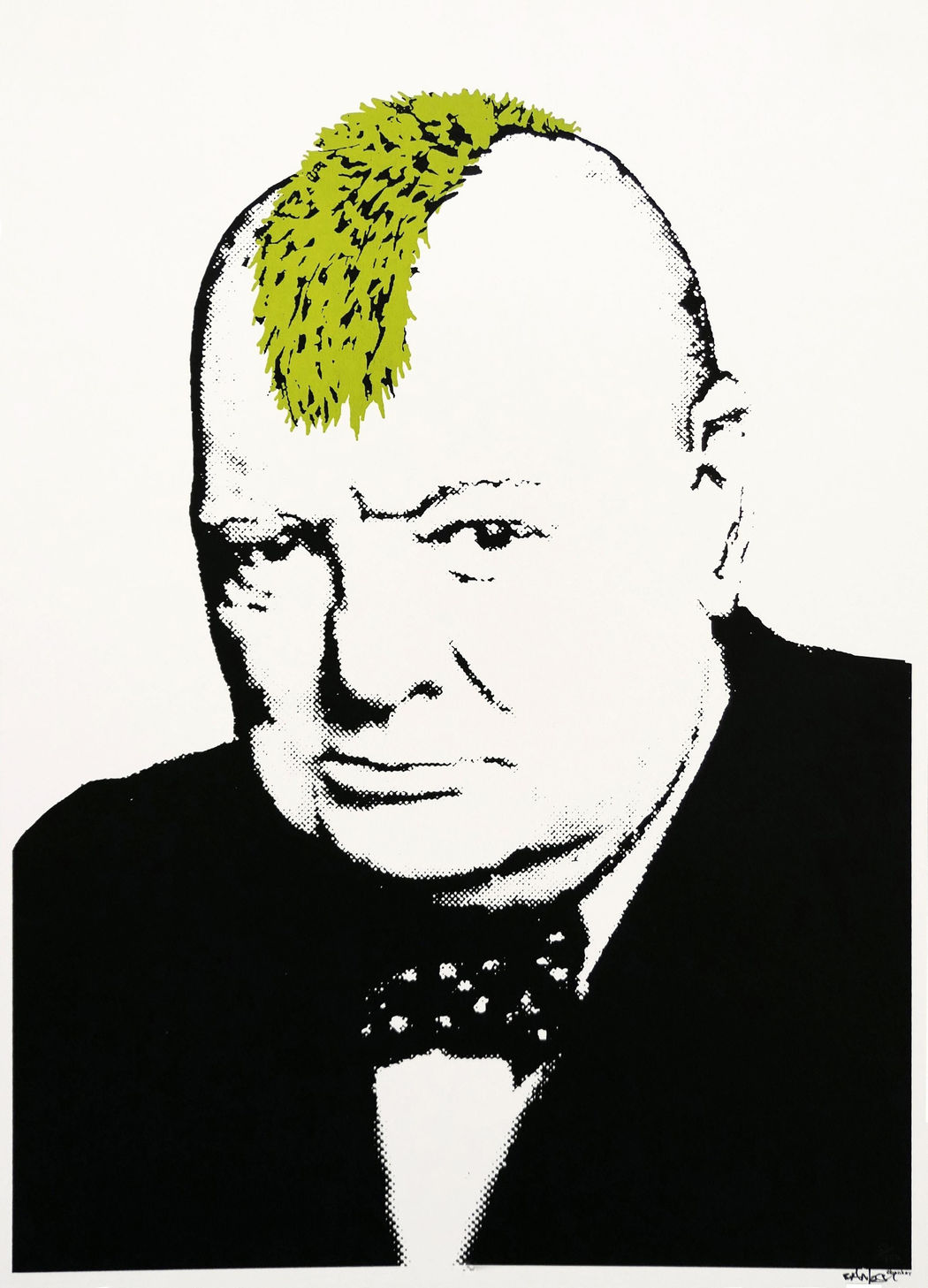
When Did Banksy Become Famous?
Banksy’s Continued ImpactWhen did Banksy become famous? Discover the key moments that propelled the anonymous street artist to global recognition. -
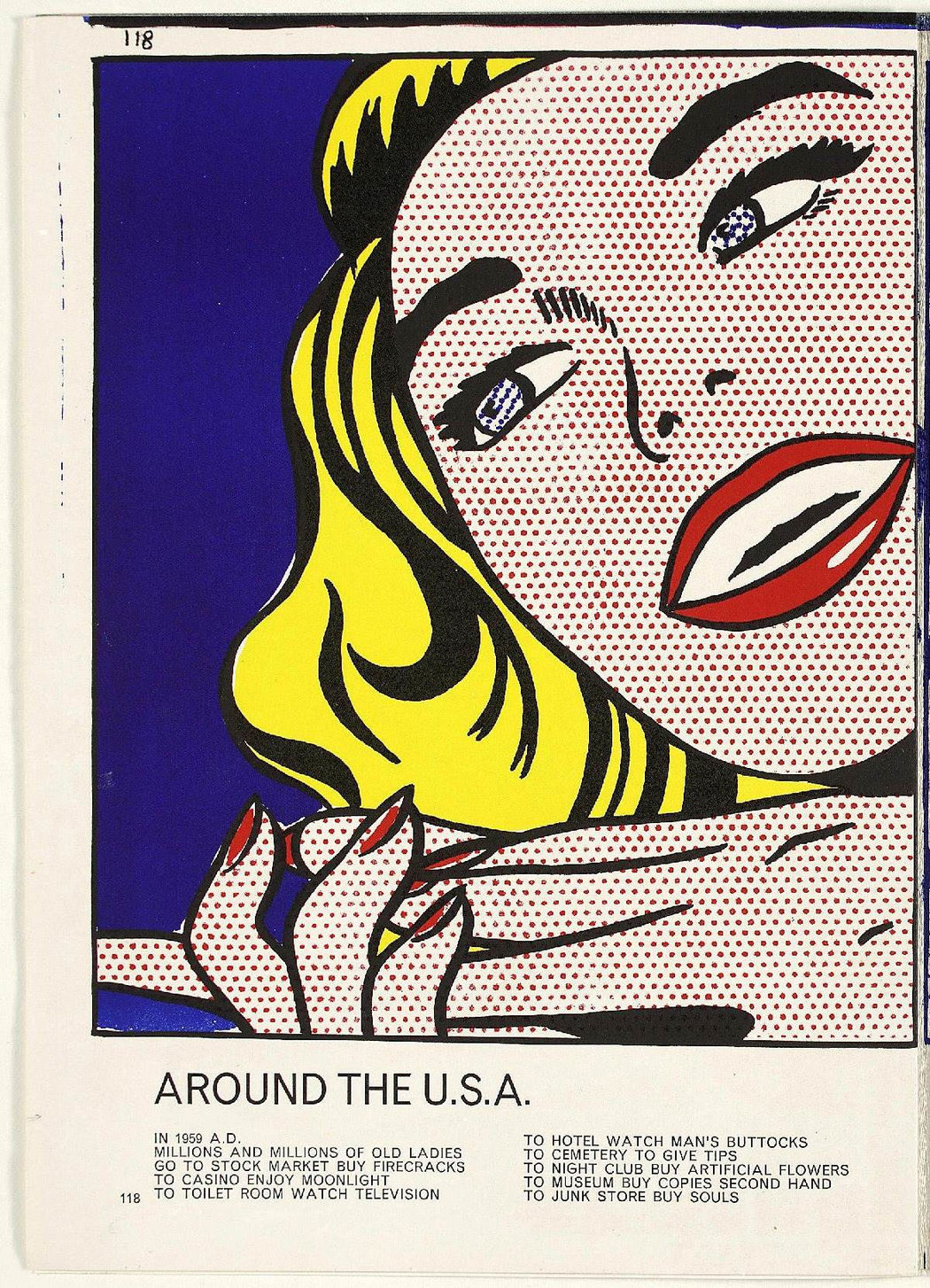
How Did Roy Lichtenstein Make His Art?
Techniques, inmfluences and materialsHow did Roy Lichtenstein make his art? Discover the unique techniques, influences, and materials behind his iconic pop art creations. -

Modern Day Hieroglyphs
Keith HaringOne artist, whose continuing popularity and influence can be felt almost thirty years after his death, has reshaped our perception between fine art and street art. Keith Haring and his prolific and inspiring output over the course of a career spanning nearly two decades has seen him ascend to street art royalty, Cafring a style and symbol that is recognisable to even those who do not know his name, his visual language has firmly entered into the dictionary of art. In today’s article, we examine one of his last releases, a celebration of sort of his motifs, The Icons Series. -
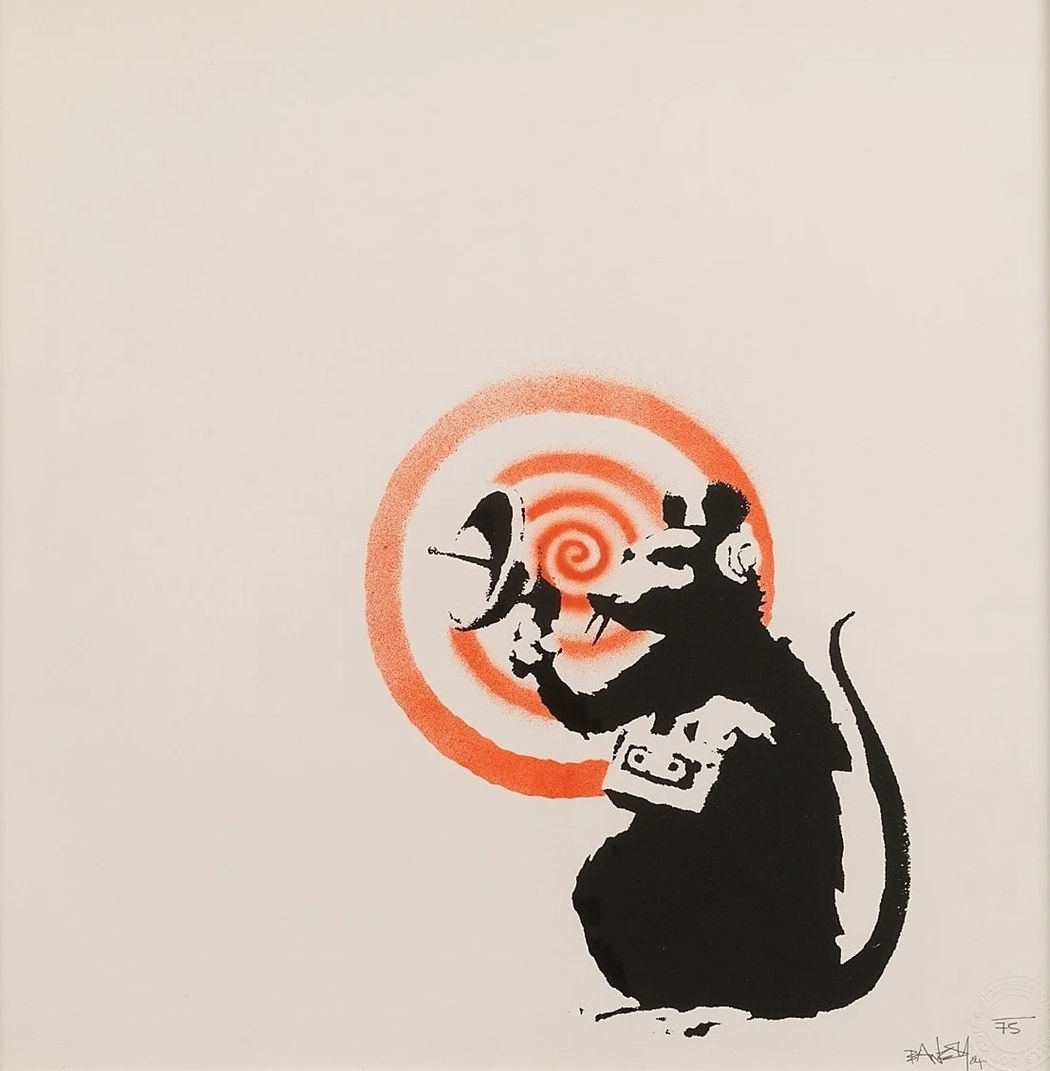
Banksy: What Are You Looking At?
Meaning and SignificanceFew artists have mastered social commentary quite like Banksy. His works challenge authority, question societal norms, and spark debate. One of his most striking statements against surveillance culture is his 2004 graffiti piece, What Are You Looking At?, located in London’s Marble Arch. Featuring the words "What Are You Looking At?" spray-painted near a CCTV camera, this piece boldly critiques the UK’s increasingly monitored society. With Britain having one of the highest numbers of CCTV cameras per capita in the world, Banksy's artwork directly challenges the notion of constant surveillance. But what does this piece truly represent, and why is it significant in Banksy’s broader body of work? -

Money as The Root of Evil
As Told Through Banksy, Warhol and HaringIs the money the root of all evil? It depends who you ask, of course. In this article, we look at how three of the most important artists of the 20th and 21st centuries approach the subject of money in widely different ways. -
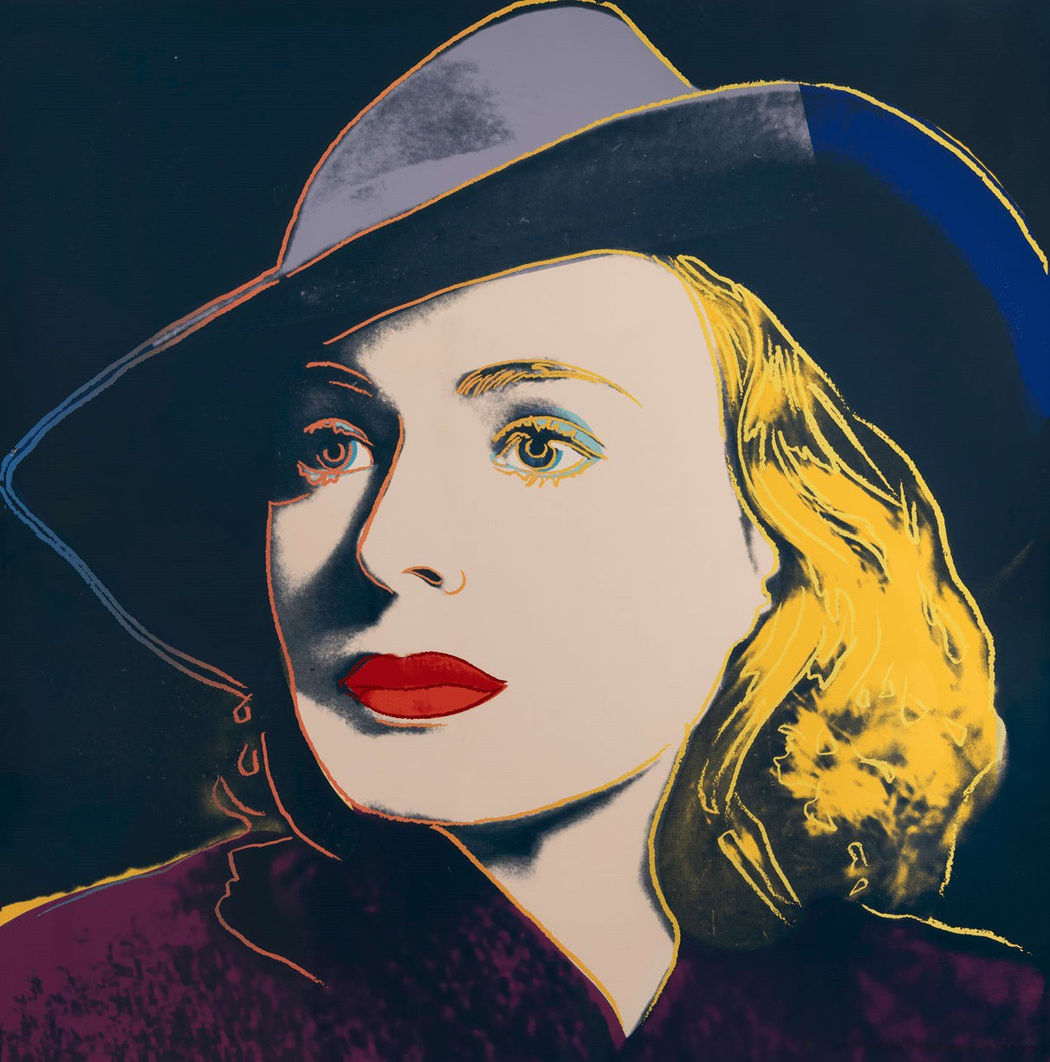
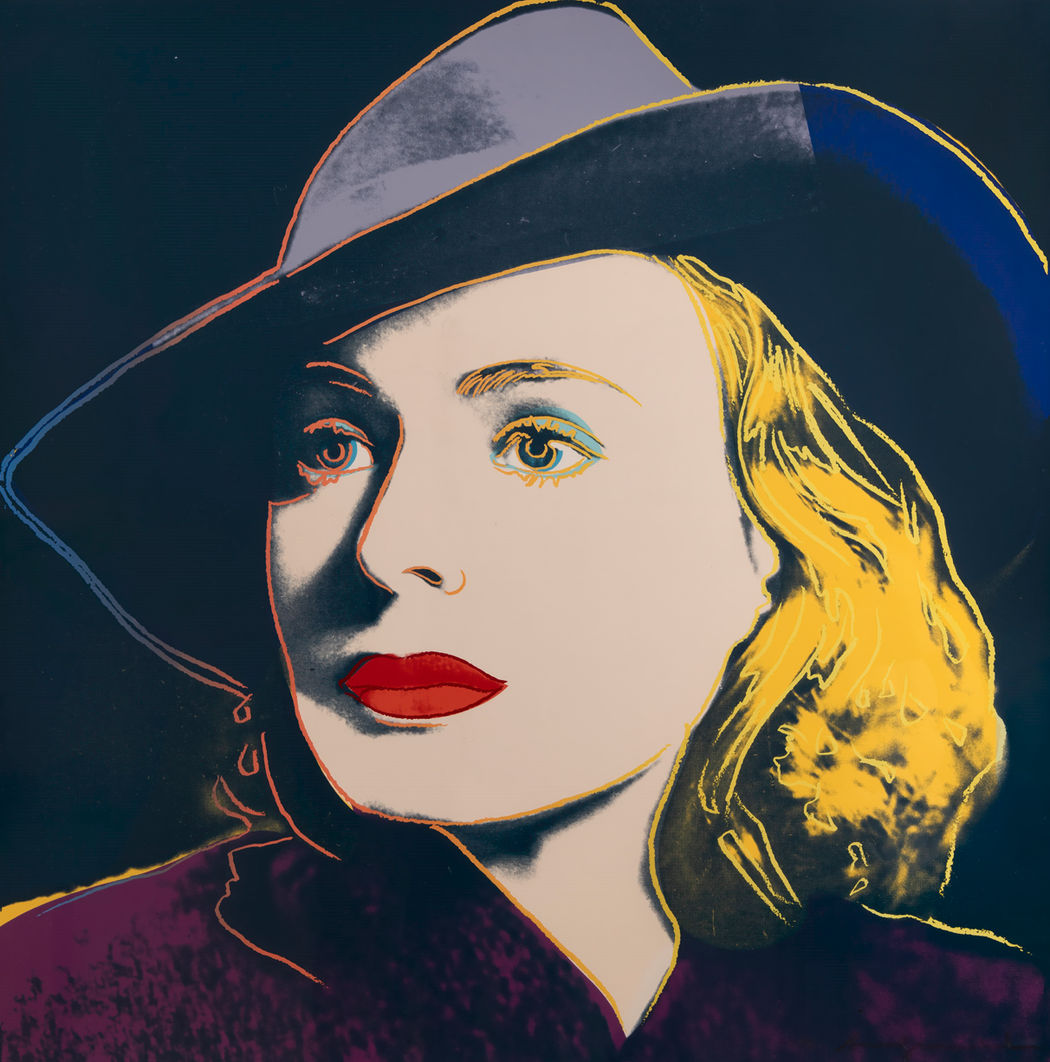
Andy Warhol and Ingrid Bergman
A Pop Art TributeDiscover Andy Warhol’s iconic portraits of Ingrid Bergman. Explore how Warhol reimagined the Hollywood legend through his signature Pop Art style. -

What Is David Hockney Famous For?
An OverviewDiscover what makes David Hockney a celebrated artist. From his vibrant pool paintings to his groundbreaking digital art, explore his most iconic works and enduring influence.
Andipa Editions Blog
Page
1
of 4